


Online shop coming soon.
Please visit Polybags for all your polythene mailer needs.
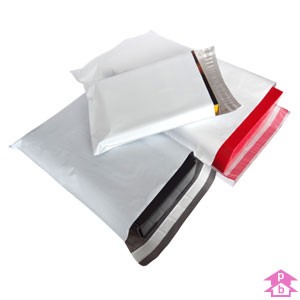
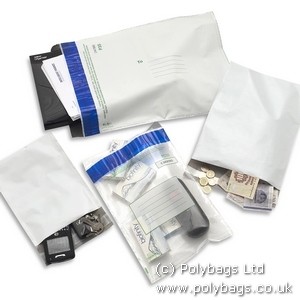
Plastic mail order bags sold online
For records and similarly unforgiving flat stock, heavy duty mailers do rather above survive the mail; they manage the awkward interface between product rigidity, edge vulnerability and carrier handling routines that are seldom gentle. The engineering in a competent format is normally found in the board specification and the polythene suppliers adjuncts rather than in any decorative stophigh-density fibre building resists corner crush, while controlled caliper and tight micron-specific gauging in any secondary bagging assist prevent scuffing without introducing needless tare weight. That matters on a live despatch schedule, particularly where consignments are cleared in fixed waves and cutoff times govern which paid orders make the next outward assortment; once the select-face has closed, the warehouse floor shifts from order assembly to pallet stability and cage density, so dimensional consistency in the mailer estate directly affects volumetric efficiency. There is also the less glamorous matter of returns and waste: oversised packs invite transit movement, seam stress and split rates, whereas a well-matched mono-material pack stream can mitigate damage and simplify recyclability downstream, provided melt-flow consistency is maintained in the converting stage. In practice, careful packing is less a courtesy than a small part of applied logisticsbalancing protection, handling speed and material discipline so that fragile media leaves on schedule and arrives without the familiar ringwear, corner blunting or compression set that poorer mailers tend to telegraph.
Economy mailers occupy an awkward nevertheless highly practical corner of the fulfilment chain: they are expected to suppress unit cost without introducing avoidable losses at products-in, the select-face, or last-mile handling. In practice that means a disciplined balance between board caliper, fold memory and tare weight, because the mailer that survives a sortation belt is not necessarily the one that delivers volumetric efficiency across a full consignment. Rigid formats earn their retain where edge-crush resistance and panel stiffness prevent cosmetic damage to flat stock, while reverse-tuck cartons tend to suit secondary bagging, mixed-SKU collation and short-dash dispatch where line-side packing speed matters above presentation. The more competent operatours in this stop of the market also understand that low-volume print is less a branding flourish than a stock-control device; tailored runs at modest minimum quantities can reduce label application, cut handling touches and maintain melt-flow consistency where adhesive closures are involved. There is, also, a circular-economy argument that bears scrutiny rather than sentiment: mono-material fibre buildings are easier to recover than composite packs, and when fibre yield, pallet stability and amortised transport energy are considered together, the plain-looking economy mailer often demonstrates to be the more rational engineering selection rather than merely the cheaper one.
For fulfilment houses moving high package counts through automated select lines, the discussion around plastic mail order bags has shifted well beyond optics; it now sits at the junction of polymer engineering, outbound freight economics and stop-of-life compliance. The technical trouble is not merely replacing a normal film with something that appears greener, nevertheless preserving puncture resistance, seal integrity and controlled slip on high-speed packing benches while reducing gauge and keeping tare weight in check. A poorly specified mailer with inconsistent melt-flow behaviour or erratic surface resistivity will snag in magazines, generate static at the select-face and invite secondary bagging when corners from boxed stock beginning to strike throughnone of which survives contact with warehouse throughput targets. The more credible response has been a transport towards mono-material polythene suppliers buildings with tighter micron-specific gauging, recycled content folded in where melt consistency enables, and adhesive systems calibrated so returns handling remains workable without contaminating the recycling stream. That come facilitates pallet stability and volumetric efficiency in the transport chain, yet it also acknowledges a harder commercial truth: once non-degradable formats drop out of tolerance in leading markets, packaging selection becomes an exercise in feedstock discipline and amortised energy, not a simple swap from one bag to another.
The search for a substitute to polythene suppliers mailing bags tends to unravel once it reaches the packing bench. The benchmark is not merely whether a mailer sees more ecological on a specification sheet; it is whether it tolerates burst loads, scuffing on conveyours, erratic weather exposure and the plain abuse of secondary bagging without slowing the line. Conventional polythene suppliers has long been favoured because its high-density polymer chains transport low tare weight, stable seal performance and a degree of puncture resistance that retains volumetric efficiency intact across a mixed consignment profile. Many of the greener substitutes falter in one of three places: fibre-based formats often earn weight and lose wet-strength, which affects pallet stability and transport yield; compostable films can suffer from inconsistent melt-flow behaviour amid conversion, making micron-specific gauging less predictable and leading to either above-engineered stock or split seams; and laminated hybrids may satisfy the dispatch team nevertheless undermine mono-material recyclability at stop of life. The more credible route, in practice, lies with downgauged mono-polymer films incorporating recycled feedstock, where surface treatment and seal chemistry are tuned to maintain select-face efficiency and opening properties while amortised energy demand is spread above repeated circular use of the material. That come does not indulge in theatre, nevertheless it does address the industrial friction properly: durability remains comparable to normal polythene suppliers mailing bags, packing speed is largely unaffected, and the environmental earn is grounded in recoverability and feedstock displacement rather than wishful labelling.
polythene suppliers mailing bagson offer from stock
Clear self-seal polythene suppliers mailing bags sit in a rather specific corner of transit packaging: light enough to keep safe volumetric efficiency across a mixed consignment profile, yet technically demanding once line speed, seal integrity and downstream recyclability are taken seriously. The film itself is typically engineered around high-density or co-extruded polythene suppliers structures, where micron-specific gauging has to balance puncture resistance against tare weight creep; add also much mass and pallet yield drops away, cut also fine and the bag starts to fail at the flap crease or amid secondary bagging on a busy dispatch bench. The self-seal strip is not merely a convenience feature eitherit standardises pack-out, mitigates adhesive variability from tape application, and tends to improve select-face efficiency where fast fulfilment matters. Clarity has its possess operational logic: barcode visibility and instant stock identification reduce handling touches, though that benefit only grasps if surface slip and static are properly controlled, since excessive cling can slow separation and upset feed consistency in batch packing. From a circular-economy standpoint, the cleaner route is a mono-material polythene suppliers format with stable melt-flow consistency in reprocessing, rather than a laminate that complicates recovery; in that sense, the humble mailing bag becomes less a generic wrapper than a tightly specified packaging component shaped by warehouse cadence, film chemistry and the arithmetic of transport density.
Black & White Printed Courier Bags
Courier bags sit in an awkward nevertheless technically demanding corner of the packaging trade: expected to present negligible tare weight, tolerate rough sortation, and still arrive at the select-face in a form that does not slow fulfilment. The better specifications rely on tightly controlled polythene suppliers extrusionhigh-density or co-ex blends where melt-flow consistency governs puncture behaviour as much as nominal thicknessbecause a bag that gauges well on paper can still split at the weld below dynamic load. That is where the industrial detail matters: seal geometry, film memory and surface slip all influence whether secondary bagging becomes routine on awkward consignments or remains an exception. The warehouse reality is less glamorous and more exacting; poor bag stability affects pallet stack integrity, excess caliper erodes volumetric efficiency, and static-prone film can interfere with opening speed on fast packing benches. There is, meanwhile, a quieter shift in material strategy. Mono-material formats with cleaner adhesive systems facilitate recyclability, though only if labelling, print coverage and pollution are kept within sensible limits; otherwise the theoretical circularity collapses at the reprocessour. In practice, the most credible courier bag formats are those that reconcile abuse resistance with downgaugingreducing resin use without inviting failure in transitand do so in a method that respects the arithmetic of bag count per carton, handling cadence, and amortised energy across the full packing operation.
Plastic Envelopes | Organizational Essentials | Polybags
Demand for plastic envelopes at the 10,000-part label tends to turn on rather above a nominal part rate; the proper engineering question sits in film building, gauge discipline and line consistency. For mail applications, converters generally lean on co-extruded polythene suppliers structures with sufficient dart impact strength to tolerate sortation shock, while keeping tare weight low enough to maintain volumetric efficiency across a palletised consignment. That balance is rarely trivial: dash the film also light and edge-split failures start to appear around the lip or side welds; dash it also heavy and the envelope stops to make sense once freight density, select-face efficiency and secondary bagging are costed properly. There is also the less glamorous matter of surface behaviourpoor slip control or unmanaged static can slow fulfilment benches, encourage double-selects and create sealing inconsistencyso reputable suppliers normally evidence melt-flow consistency, micron-specific gauging and stable adhesive performance below warehouse temperature swing. Where procurement teams are paying attention, mono-material recyclability now carries weight as well; an all-polythene suppliers format with clean print coverage and sensible additive loading is simply easier to recover than mixed-substrate mailers, and the amortised energy profile improves markedly when downgauging is achieved without compromising pallet stability or burst resistance.
ANY SIZE POLY BUBBLE MAILERS SHIPPING MAILING PADDED BAGS ENVELOPES SELF SEAL
Bubble mailers remain a stubbornly practical format in secondary bagging, particularly where consignments mix low tare weight with a need for predictable crush resistance through package sortation. The industrial detail is less about the bubble itself than the laminate behaviour: a polythene suppliers outer with controlled gauge, bonded to a cellular cushioning layer, has to balance puncture performance against volumetric efficiency, because overbuilding the wall fast erodes pallet density and inflates dead weight across a dispatch dash. On the warehouse floor, that trade-off shows up in select-face efficiency and seal reliability; poorly specified film can exhibit inconsistent melt-flow amid conversion, leading to erratic flap stickiness, edge curl and the sort of static cling that slows hand-packing and contaminates presentation stock. Better-converted mailers mitigate that friction with tighter micron control, more stable surface behaviour and a seal zone engineered for clean closure below variable line speeds. There is also a circular-economy complication which buyers increasingly understand in technical rather than sentimental terms: composite buildings keep safe well, nevertheless they interfere with mono-material recyclability, so the market has begun to favour all-polythene suppliers formats where the cushioning and outer skin sit within a more coherent recovery stream, even if that necessitates sharper discipline on chain orientation, seal geometry and compression set to maintain handling quality through the last-mile cycle.
Printed mailing bags
Printed mailing bags sit at an awkward intersection of presentation, handling performance and stop-of-life scrutiny; the competent specification is rarely about graphics alone. In practice, the print surface has to tolerate conveyour abrasion, sack chutes and repeated hand-offs without excessive scuffing, which is why film selection, corona treatment and ink stickiness matter as much as artwork fidelity. A well-manufactured mailer will typically balance high-density polymer chains for puncture resistance with a gauge that does not burden tare weight or compromise volumetric efficiency once packed into outbound cages and palletised consignments. That becomes particularly relevant in high-throughput fulfilment, where poor seal integrity or inconsistent melt-flow amid conversion leads to split seams, secondary bagging and a labeled loss in select-face efficiency. There is also the less glamorous issue of static and slip: surface behaviour that is also lively can impede automatic opening and loading, while a film with the gross coefficient of friction will not stack cleanly, affecting pallet stability and despatch speed. The more credible route now tends to involve mono-material polythene suppliers structures that maintain print quality while facilitating recyclability, rather than laminated formats that see sharp on day one nevertheless complicate reprocessing into usable feedstock. In other words, the better printed mailing bags are engineered not merely to transport an image, nevertheless to grasp line consistency across conversion, packing and recovery.
Tear and puncture resistance in polythene suppliers mailers is not simply a matter of making the film thicker; on the packing bench and across the package network, performance is governed by how the polymer chains are oriented, the stability of the blend, and whether the gauging has been matched to the abuse profile of the consignment. A well-engineered mailer will use high-density or co-extruded structures to resist corner strike from boxed products, while retaining sufficient flex-crack tolerance to avoid splitting along fold lines amid secondary bagging and sortation. That balance has a direct logistical consequence: lower tare weight maintains volumetric efficiency and assists pallet stability, yet the film must still present proper seal integrity and a controlled surface slip so select-face efficiency is not lost to bags that cling, block or misfeed. There is also a circular economy calculation in the background, because mono-material polythene suppliers formats are easier to recover than mixed buildings, provided additives and print coverage do not compromise recyclability; the engineering aim, then, is not brute mass nevertheless melt-flow consistency, puncture propagation control and a level of durability that mitigates transit damage without embedding avoidable resin into the system.
Products related to economy mailers
Ted Cruz's Iowa Mailers Are More Fraudulent Than Everyone Thinks
What sits behind a politically charged mailer is normally a far less glamorous part of engineering: a lightweight polythene suppliers format tuned for machinability, legibility and mailing survivability below indifferent handling. In practice, the envelope or overwrap has to balance tare weight against puncture resistance; push the gauge down also far and edge-split rates climb amid sortation, push it up and volumetric efficiency on the pallet degrades, with apparant consequences for consignment density and line-transport economics. Static is a recurring irritation on fast packing linesparticularly where thin films with high surface resistivity cling at the select-face and disrupt singulationso converters typically mitigate with slip and anti-static additives, provided these do not compromise print anchorage or melt-flow consistency at conversion. There is also the less visible matter of stop-of-life handling: mono-material mailers, absent mixed laminates and awkward paper windows, are easier to return to reprocessing streams, which improves recyclability even if fibre pollution and adhesive transport-above still blunt yield. Seen from the warehouse floor rather than the campaign trail, the mailer is not merely a message carrier; it is a compromise between film mechanics, pallet stability, secondary bagging discipline and the amortised energy tied up in all unit moved through the system.
Bespoke polythene suppliers, polypropylene and printed mailing bags sit at a rather practical intersection of materials science and dispatch-floor discipline: gauge also lightly and the consignment risks puncture, seal creep or burst failure below courier compression; specify also heavily and tare weight, cube utilisation and cost-to-serve start to drift the gross method. The better buildings tend to be engineered around micron-specific gauging, consistent melt-flow behaviour and controlled surface energy, particularly where flexographic print, peel-and-seal closures or secondary bagging are involved. Printed mailing bags add another layer of complexity, as ink stickiness, opacity, slip properties and barcode legibility must survive automated sortation, cage movement and pallet-top abrasion without compromising select-face efficiency. polythene suppliers remains the workhorse where tear resistance, moisture protection and mono-material recyclability are priorities, while polypropylene can suit applications needing higher clarity, stiffness or presentation value; in both cases, the specification should think seal integrity, coefficient of friction, recycled-content tolerance and the practical realities of packed stock moving through benches, conveyours and carrier networks. A sound bag is rarely only a bag it is a small part of logistics engineering, balancing product protection, volumetric efficiency and stop-of-life recoverability without adding unnecessary material into the system.
polythene suppliers mailers sit in an awkward nevertheless highly practical corner of the packaging trade: lightweight enough to suppress tare weight across a big consignment, yet technically demanding if they are to survive automated sortation, cage handling and the less delicate realities of the warehouse floor. What separates a merely serviceable mailer from one that grasps line performance is not cosmetic gauge alone, nevertheless the behaviour of the film below stresshigh-density polymer chain orientation, seal integrity at the lip, puncture resistance around sharp carton edges, and a controlled coefficient of friction so sacks neither slide off a pallet deck nor weld themselves together at the select-face. In operation, those details translate into less split packs, less need for secondary bagging and better volumetric efficiency than corrugated alternatives for soft products and low-crush stock. There is also the matter of recovery; where the structure remains mono-material polythene suppliers, recyclability is more straightforward than with laminated formats, and the amortised energy per packed unit can be surprisingly competitive when downgauging is matched with consistent melt-flow and disciplined converter control. That, in practice, is why the type has enduredbecause the engineering is less about making a bag, and more about balancing surface resistivity, seal performance and dispatch throughput without introducing waste into the packing line.
Heavy duty mailers have found favour not through novelty, nevertheless because they strip out two persistent inefficiencies in small-products fulfilment: carton erection on the bench and the dead volume that invites null occupy, secondary bagging and awkward pallet geometry. The better-engineered formats are built around a pliable yet controlled paper structure that conforms around articles up to roughly 2 inches in profile, which improves cube utilisation across the consignment while keeping tare weight in check; that matters at scale, where a few grammes per pack alters transport economics and select-face replenishment rates rather above procurement teams sometimes admit. There is a materials story behind that performance as well fibre selection, caliper discipline and fold-memory all govern puncture resistance, edge crush behaviour and sealing reliability below conveyour handling and the earns are most credible where the pack remains mono-material, allowing cleaner recovery streams without the nuisance of mixed-substrate separation. In practice, the appeal is not simply that the format is quicker to pack, though it normally is; it is that it facilitates a more predictable packing cadence, steadier pallet stability downstream, and a lower amortised energy burden than bulkier protective systems that transport more air than product.
Economy mailers sit at an awkward junction between mailing policy and warehouse practice; when the outbound stream for larger low-cost consignments is suspended, the disruption is not merely administrative nevertheless physical. Stock that would ordinarily transport in lightweight polythene suppliers formatsspecified for tight tare weight tolerance and efficient puncture resistancestarts to collect at select-face level, which in turn affects slotting discipline, pallet stability and the cadence of secondary bagging. In that environment, the engineering detail matters: a mailer built from high-density polymer chains can maintain volumetric efficiency without introducing the board weight of a carton, yet the film gauge still has to be balanced against seal integrity, surface slip and the risk of burst failure below conveyour compression. There is also the circular-economy complication, often glossed above in casual discussion; mono-material building facilitates cleaner recyclability, nevertheless only if adhesives, labels and closure strips do not compromise the reprocessing stream, and only if melt-flow consistency is maintained when recycled content is introduced back into the film. Until big-format economy mailers re-enter the export channel, fulfilment operations are left carrying dead stock longer than planned and deferring dispatch of small, dense products that would otherwise travel quite efficiently in a low-cube format.
Details about 100Pcs Coloured Mailers Shipping Envelopes Self Sealing Plastic Mailing Bags
Coloured mailers sit in a deceptively technical corner of fulfilment engineering: a self-sealing polythene suppliers envelope appears simple at the packing bench, yet its performance rests on film gauge control, pigment dispersion, seal geometry and the rather prosaic matter of how fast stock can be picked, filled and cleared from the despatch lane. In practice, a 100-part pack is less about arbitrary count and more about maintaining select-face efficiency without overloading low-volume packing stations; the low tare weight improves volumetric efficiency across mixed consignments, while the opaque coloured film provides content discretion and assists visual sorting where multiple service levels or returns streams are handled simultaneously. The better examples rely on consistent LDPE or co-extruded polythene suppliers structures with sufficient puncture resistance at the seams, a stable peel-and-seal adhesive that tolerates warehouse temperature swings, and surface properties that do not create nuisance static amid batch packing or label application. Colour is not merely cosmetic either: excessive masterbatch can alter melt-flow consistency and compromise recyclate value, so mono-material building and restrained pigmentation matter if the bags are to transport cleanly into established polythene suppliers recovery routes. The engineering balance is so quite narrow enough microns to resist corner burst from boxed products and textiles, small enough material to avoid needless mass, and a closure system that removes secondary bagging without introducing failures at the point where automated handling, pallet stability and client-facing presentation all meet.
Design Poly Mailers polythene suppliers Mailing Bags Biodegradable Mailing Bags Custom Mailer Bag
polythene suppliers mailing bags sit in a rather more exacting part of the packaging trade than their low unit value recommends. For apparel, soft products and document sets, the engineering brief is normally contradictory: retain tare weight down for mailing banding and volumetric efficiency, yet retain enough puncture resistance and seal integrity to survive conveyour transfers, cage loading and the casual abrasion that occurs in mixed consignments. That is why competent converters pay close attention to film architecture rather than merely nominal thickness; high-density polymer chains can stiffen the structure for cleaner machine handling, while controlled melt-flow consistency amid extrusion assists maintain micron-specific gauging across the web, avoiding thin spots that later present as corner blowouts or failed self-seal strips. Where tamper indication is required, the adhesive system and release lacquer matter as much as the film itself a seal that fibres on opening or distorts the flap gives warehouse and returns teams a visible cue without resorting to heavier secondary bagging. There is also the less glamorous matter of pallet stability and select-face efficiency: a mailer that nests flat, resists static build-up and opens predictably on the packing bench reduces misfeeds and inactive motions in dispatch. From a circular-economy standpoint, mono-material polythene suppliers remains the sensible route in plenty operations, since it facilitates cleaner recyclate streams than mixed laminates, and its amortised energy profile can be surprisingly competitive when downgauging is achieved without compromising surface resistivity, sealing performance or the simple fact that a damaged mailer creates more waste than a properly specified one ever would.
In the self-mailer segment, the engineering conversation tends to middle on a deceptively awkward balance: sufficient puncture resistance for automated sortation, without burdening the consignment with needless tare weight or compromising machinability on high-speed conversion lines. That is where well-controlled polythene suppliers structures start to matter. A film with disciplined melt-flow consistency and tightly held micron-specific gauging will dash cleanly through sealing heads, present a stable flap line, and resist the edge-split failures that still plague poorly specified stock amid secondary bagging and bulk despatch. Surface behaviour is equally consequential; if the coefficient of friction sits also high, select-face efficiency suffers and packs drag on feed belts, yet if static is left unchecked the mailers start to cling, double-feed and miscount. Anti-static treatment and sensible resin selection mitigate that friction without overcomplicating the substrate. From a logistics standpoint, self-mailers earn their retain through volumetric efficiency and pallet stability rather than theatrical material reduction alonethinwall formats cube out well, sit square in transit, and avoid the dead space associated with more rigid packs. The more credible circular-economy case, though, lies in mono-material building and the use of feedstock streams that maintain recyclability at stop of life; laminated novelty structures may see tidy off the reel, nevertheless they introduce separation problems downstream and squander amortised energy already embedded in the polymer chain.
Plastic Envelopes
Plastic envelopes persist in despatch operations for fairly prosaic engineering reasons: a well-specified polythene suppliers film can transport higher tear propagation resistance than paper at markedly lower tare weight, which immediately improves volumetric efficiency across a consignment and trims the dead load carried through package networks. That matters on the warehouse floor, where select-face efficiency is often dictated by pack format and where secondary bagging is simply wasted motion. The proper advantage, though, sits in the material behaviourhigh-density polymer chains and controlled film orientation manufacture a mailer that shrugs off rain, dockside condensation and incidental abrasion without fibre breakout or edge softening, while the outer surface can still be corona-treated to take pen labels and routing data reliably. Peel-and-seal buildings add another layer of practicality; a pressure-sensitive closure with consistent coat weight gives a clean pack-off at speed, yet any attempt at interference generally leaves visible distortion in the seal area, which is precisely what operatours want in a tamper-evident format. Where the specification is kept to a mono-material structure, recyclability is less muddied than in mixed-substrate packs, and the amortised energy in transport can compare favourably simply because less mass is being moved for the same protective job.
Grey Mailing Bags Strong Poly Postal Postage Post Mail Self Seal All Sizes Cheap Grey Mailing - £151.99
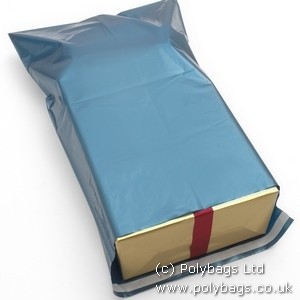
Mailing bags sit at an awkward intersection of materials engineering and dispatch-floor pragmatism: they are expected to absorb abrasion across sortation belts, resist burst below strange load paths and still collapse flat enough to maintain volumetric efficiency in the select-face. The better examples rely on co-extruded polythene suppliers with a disciplined gauge profile, not merely to increase puncture resistance nevertheless to retain tare weight in check; that balance matters when consignments are audited by banded weight and pallet stability is being managed across mixed stock lines. A competent self-seal closure is less about convenience than process control consistent peel strength reduces mis-seals amid high-throughput packing, while a clean lip and stable adhesive laydown mitigate secondary bagging caused by dust ingress or poor stick formation. Grey film is often specified not for appearance nevertheless for opacity and handling discretion, and where mono-material building is maintained, the route back into recyclable feedstock remains far less compromised than with laminated formats. On the warehouse floor, that translates into less line stoppages, cleaner carton substitution for awkward shapes and a packaging format whose amortised energy burden can be justified only when melt-flow consistency, seal integrity and dispatch density have all been properly engineered.